Low Dose Naltrexone (LDN)
Low‑dose naltrexone (LDN) is a low dose of naltrexone that is thought to briefly block opioid receptors to boost natural endorphins and support immune balance.


Women aren’t the only ones affected by mood disorders and anxiety during midlife. Men in midlife may also experience physiological changes that affect their mood and emotional well-being. It is estimated that one in five men suffers from anxiety, and one in eight men experiences depression at some point in life, and it may be related to insufficient hormone levels.
Mood disorders and anxiety become increasingly prevalent when men are in their 40s and 50s, as their natural testosterone levels continue to decline. Hormone-related anxiety, depression, and mood disorders are not uncommon during this natural stage of life. Unlike many women, men tend to dismiss their mood changes or depressed feelings rather than seeking help. Additionally, it’s often hard to make the connection between the midlife changes of andropause and its other symptoms with mood disorders and anxiety.
Personalized mood support medications from Belmar Pharmacy may help men feel better equipped to face the emotional challenges of aging and other symptoms associated with hormonal decline.

Low‑dose naltrexone (LDN) is a low dose of naltrexone that is thought to briefly block opioid receptors to boost natural endorphins and support immune balance.
Oxytocin is a natural hormone and neurotransmitter that supports key reproductive functions and influences bonding and social behavior.
Estriol (E3) and estradiol (E2) are key estrogens that may work together to support hormonal balance, combining estradiol’s stronger activity with estriol’s gentler, shorter‑acting effects.
Estradiol is the strongest and most active of the three primary estrogens and may have a role in supporting menstrual, bone, cardiovascular, and overall cellular health.
Estriol is a weak, naturally occurring estrogen that is gaining interest for its unique biological profile and potential immunomodulatory and menopausal‑related benefits.
A testosterone cypionate/DHEA grapeseed oil injection combines long‑acting testosterone with DHEA, a hormone that the body can naturally convert into other hormones.
Testosterone is a sex hormone that plays a number of important roles in reproductive health and general wellness in both women and men.
Belmar Pharmacy offers bioidentical micronized progesterone compounds. This hormone is crucial during the reproductive years and can benefit perimenopausal and postmenopausal women particularly in areas of endometrial protection, sleep, and mood.
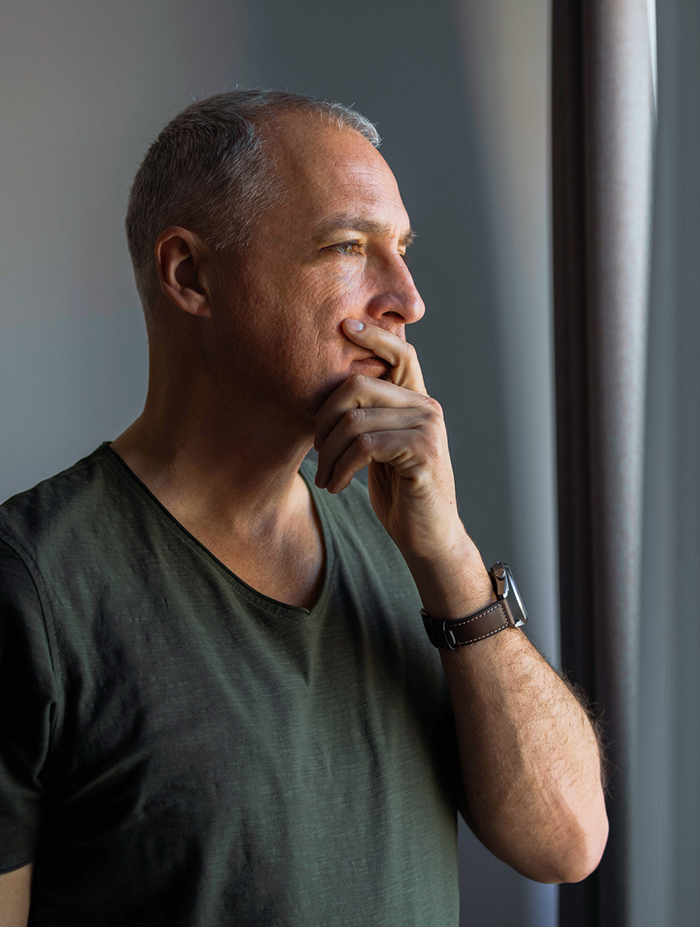
It’s not uncommon for men to experience mood disorders, especially during midlife. Depression and anxiety are two of the most common mood disorders in men. While it’s totally normal to experience feelings of sadness or to be in a “bad mood” from time to time, when these symptoms persist over weeks or even months, it may be a sign of depression or seasonal mood disorder.
Seasonal mood disorder, or Seasonal Affective Disorder (SAD) as it is known, may affect men differently than women. Men with this type of mood disorder are often prone to irritability, anger, and withdrawal from social activities or communicating with loved ones, rather than just sadness. SAD is triggered by the lack of sunlight/daylight during fall and winter. It often leads to fatigue and low libido, as well.
Mood changes during andropause may mirror mood disorders like major depressive disorder (MDD). Low testosterone levels during andropause can be associated with mood problems like irritability, loss of motivation, as well as depression and anxiety symptoms. Testosterone is known to affect serotonin and dopamine, two neurotransmitters at the core of mood balance and motivational drive. Declining levels of DHEA are also thought to increase fatigue and make it harder for men to handle stress.
Environmental factors and life events such as divorce, losing a job, or a health diagnosis, may also lead to anxiety and mood disorders for men. Financial stress, and the pressures of everyday life, along with unresolved childhood trauma can contribute to emotional difficulties. Some men are more prone to depression, anxiety, and other mood disorders as a result of genetics. Men who had disruptive mood dysregulation disorder (DMDD) as children are often diagnosed with depression during adulthood.
In order to be diagnosed with a mood disorder, healthcare professionals may ask about current symptoms and life experiences. Mood disorder symptoms in men often include:
Some symptoms of mood disorders and anxiety overlap with symptoms of andropause in men. The natural decline of testosterone as men age can lead to:
Hormones often play a bigger role in men’s mood disorder symptoms than most realize. Coupled with life’s ups and downs, it’s not surprising for middle-aged men to find themselves experiencing some of the symptoms related to mood disorders and anxiety.
Mood disorders and treatment for them depends on symptoms, patient history, and other medical conditions. Mood stabilizers can help regulate mood swings in patients with bipolar disorder or other mental health conditions. Antidepressants are some of the most widely used medications prescribed to alleviate depression symptoms.
Belmar Pharmacy compounds low dose naltrexone, which is often helpful for men who experience certain types of mood disorders. Low dose naltrexone can be used for brain and mood support because it stimulates the release of endorphins in the body. Endorphins are the chemicals your body releases during moments of pleasure, such as when you’re eating your favorite foods, listening to good music, having sex, exercising, or laughing.
Natural endorphins reduce pain, boost pleasure, and give you a feeling of well-being. Supplementing endorphin levels through low dose naltrexone may help improve mood, reduce anxiety, and even boost self-esteem.
Mood changes later in life are often associated with hormonal decline, in which case BHRT may be considered. If a hormonal evaluation reveals a deficiency of testosterone or DHEA, it’s possible the lack of hormonal support is exacerbating depressive symptoms. Some men with hypogonadism (chronically low testosterone levels) can benefit from combination therapy of antidepressants and testosterone therapy.
Belmar Pharmacy also compounds oxytocin as a therapeutic option for brain and mood support. Oxytocin is a hormone your body produces naturally, especially during activities like sex, hugging, and cuddling. Research has shown that supplementing oxytocin can increase relaxation, trust, and a sense of well-being, while lowering stress and anxiety.

Anxiety disorders are fairly common among men in the United States, especially during midlife when testosterone levels are lower than they were in younger years. In fact, testosterone deficiency can impact well-being and even mimic depression. Low testosterone in men often increases moodiness and irritability, decreases interest and motivation for hobbies or activities, diminishes concentration and memory, and lowers energy levels. Men with low testosterone may also find themselves with the following anxiety disorders:
Beyond feeling nervous or anxious about a particular situation, anxiety disorders can interfere with the ability to function in certain settings, or even daily life. An anxiety disorder may also lead to intense physical symptoms, such as sweating, trembling, or a rapid heartbeat.
Diagnosis of a specific anxiety disorder in men is often determined by the intensity and duration of symptoms, their impact on daily activities and relationships, and the provider’s understanding of the type of anxiety disorder characteristics.
To determine the nature of a potential anxiety disorder in men, a healthcare provider looks for anxiety disorder symptoms, shedding light on sleep habits and daily behaviors and their impact on quality of life. While there aren’t any specific blood tests that diagnose anxiety disorders for men, healthcare providers may recommend diagnostic testing for hormonal imbalances, including thyroid and testosterone. Since hormone levels can contribute to generalized anxiety disorder symptoms, it’s important to assess these potential underlying causes.
Managing anxiety disorders in men typically includes a multifaceted approach. Often, talk therapy with a licensed professional combined with anxiety disorder medications are helpful to minimize symptoms and manage fear-based thoughts.
The most common type of psychotherapy for the management of anxiety disorders is called cognitive behavior therapy (CBT). This approach helps patients recognize and identify thoughts and behaviors that lead to stressful or negative thought patterns. Once identified, it’s then possible to adjust thinking and reactions to environmental triggers and situations. In combination with therapy, certain medications may be beneficial for some patients. Antidepressants are some of the most widely used medications prescribed for select anxiety conditions.
Belmar Pharmacy compounds low dose naltrexone (LDN) to support mood and anxiety disorders in men and women. Low dose naltrexone is often helpful for anxiety because of its ability to stimulate the release of endorphins in the body. Endorphins are the chemicals your body releases during moments of pleasure, like hugs, sex, and laughter. Supplementing endorphin levels with LDN is shown to have a positive influence on mood, and therefore may help with the management of anxiety disorders in men during midlife, or any stage of life.
Extreme mood swings are characteristic of bipolar mood disorder (formerly called manic depression). Symptoms of bipolar mood disorder include episodes of extreme emotional highs, or mania, and extreme lows, or depression.
Mania is characterized by feelings of euphoria, irritability, and feeling energetic. During this phase of bipolar mood disorder, it may be difficult to sleep at night or think clearly during the day. Lack of judgement is also common during a manic episode. Additional symptoms include:
Depression is typically characterized by feelings of sadness and hopelessness, and loss of interest in activities. Other symptoms of depression may include:
Both phases can last several days, and mood swings are also common in between manic and depressive episodes.
Generalized anxiety disorder is a mental health condition characterized by excessive worrying about a variety of things such as health, finances, work, people, or particular life situations. Men and women with generalized anxiety disorder have a hard time controlling their habitual worrying about events, family members, and situations that may or may not seem concerning to others. Typically, to be diagnosed with generalized anxiety disorder, feelings of dread, worry, and anxiousness last longer than six months. Women are twice as likely to be affected by generalized anxiety disorder than men.
Symptoms of generalized anxiety disorder may include:
Ongoing symptoms may affect daily activities and performance at work or school. While the cause of generalized anxiety disorder isn’t completely clear, genetic factors, life experiences, and personality may all be contributing factors.
Anxiety is classified as an anxiety disorder, which is not the same as a mood disorder. The two can overlap, and often do. Anxiety disorders center around focusing on intense fear, worry, and apprehension toward people or situations. These feelings are usually disproportionate to the actual perceived threat, and last six months or more. Symptoms of anxiety disorders include difficulty concentrating, panic, shortness of breath, and rapid heart rate.
Mood disorders are characterized by persistent shifts in overall mood and emotional state. They often include long periods of depression, sadness, hopelessness, and loss of interest in activities that were once pleasurable (i.e., hobbies, spending time with friends, etc.). Extreme mood swings are also signs of a mood disorder vs. an anxiety disorder.