Webinar
Clinicians
Thyroid Therapy: Looking Beyond the Labs
Advanced Strategies for Hypothyroidism, Hashimoto’s Disease, and Personalized Thyroid Therapies Drawing on decades of combined clinical experience, our panel of experts[...]
Learn more


Learn more about common autoimmune diseases that affect women and men and cause symptoms such as joint pain, fatigue, skin rashes, and muscle weakness, and how personalized medications from Belmar Pharmacy may help.
Advanced Strategies for Hypothyroidism, Hashimoto’s Disease, and Personalized Thyroid Therapies Drawing on decades of combined clinical experience, our panel of experts[...]
Learn moreWatch on-demand! Belmar Pharma Solutions Preferred Provider webinar: “LDN: When Hormones Aren’t Enough” This engaging clinical discussion focuses on how[...]
Learn moreWatch on-demand! Belmar Pharma Solutions’ first Preferred Provider webinar of 2026: “LDN: Asked & Answered” This webinar brings together five Belmar[...]
Learn moreAt Belmar Pharma Solutions, we work with low dose naltrexone (LDN) every day. Our pharmacists answer questions about low dose[...]
Learn moreLet’s talk about everything LDN with the experts. Low-dose naltrexone (LDN) may be beneficial to your patients with stealth syndromes,[...]
Learn more“Understanding the Special Nuances of Hashimoto’s Patients and How to Best Manage Their Care” with Erin Gagne, FNP, and hosted[...]
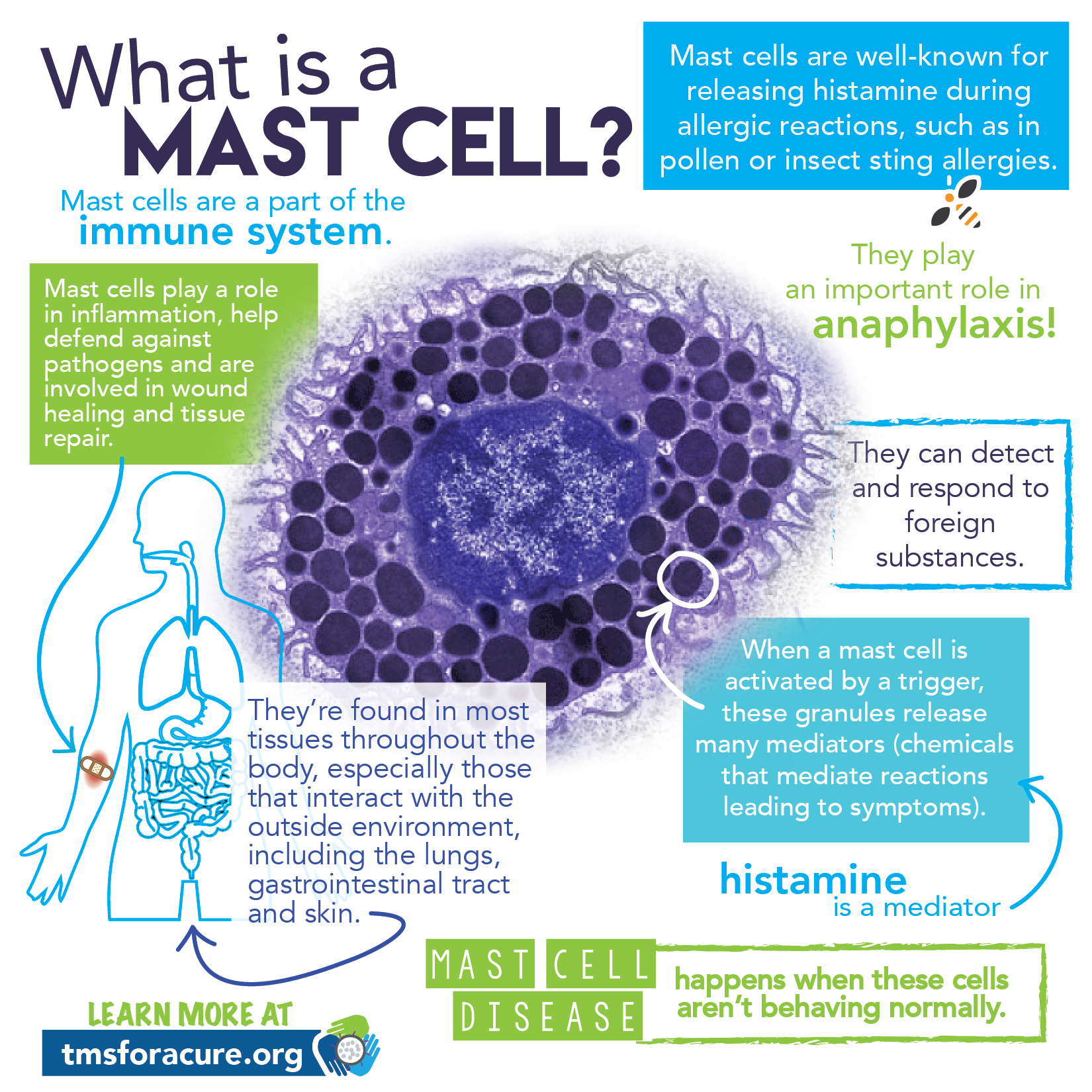
Learn moreMast cell activation syndrome (MCAS) is a condition that causes mast cells to release an inappropriate amount of chemicals into[...]
Learn moreLow-dose naltrexone works by boosting your natural endorphins. Endorphins are hormones produced by your body to relieve stress and pain.[...]
Learn moreAwaiting a cure, autoimmune patients are knocked down by numerous triggers outside of their control. Unable to recognize friend from[...]
Learn moreNo. Fibromyalgia is not classified as an autoimmune disease, but it’s possible that a dysfunctional immune system is a contributing factor. Fibromyalgia can sometimes seem like an autoimmune disease, as it’s a chronic painful condition that can affect many parts of the body accompanied by fatigue.
The cause of fibromyalgia is complicated, but it’s thought that nerves are affected in a way that signals pain to the brain, even if there’s no specific or obvious cause of that pain. Certain illnesses and health conditions, including nutrient deficiencies and hormone imbalances, seem to trigger fibromyalgia. Stress or a traumatic life event may also cause flare-ups.
Fibromyalgia is more common in women than in men. Immune diseases like rheumatoid arthritis and lupus can increase the risk of developing fibromyalgia.
If the immune system errantly targets the hair follicles, it’s called alopecia areata. With this disorder, both women and men often experience sudden patches of hair loss. If untreated, this can lead to total scalp or body hair loss (alopecia universalis).
Hashimoto’s thyroiditis (underactive thyroid disease or hypothyroidism) may also cause thinning hair and much slower hair growth, especially in women with whom this is a common autoimmune condition. Lupus may also cause thinning or hair loss in women. Additionally, any type of hormonal imbalance (like hypothyroidism) women experience during perimenopause and menopause can lead to thinning hair or hair loss.
While most autoimmune diseases affect women more than men, men can experience these disorders as well. Psoriasis and psoriatic arthritis is common among men, as is inflammatory bowel disease (IBD), type 1 diabetes, and Addison’s disease, which affects the adrenal glands and impacts hormone production.
Like women, men often have overlapping autoimmune disorders and symptoms.
Possible medications that may help with autoimmune disorders include low dose naltrexone (LDN). LDN is used for a variety of conditions and has shown potential benefits in several autoimmune or immune-related conditions, including:
LDN is thought to work by briefly blocking opioid receptors, which may lead the body to upregulate endorphin production once the blockade wears off. Increased endorphins can help modulate the immune system and reduce inflammation, both of which are relevant in many autoimmune conditions.
Many women and men using low dose naltrexone for their autoimmune disease report reduced inflammation and pain, improved sleep and mood, better mobility, improved concentration, and fewer headaches. Unlike some other autoimmune therapies, LDN is generally well tolerated and may have fewer or milder side effects. It’s important to discuss all medications and therapies with a healthcare provider.