Blog
Clinicians
Long Live Low Dose Naltrexone
February 5, 2025
Aging is plagued by inevitability. Marked by a gradual functional decline across body systems, some think this course cannot be […]


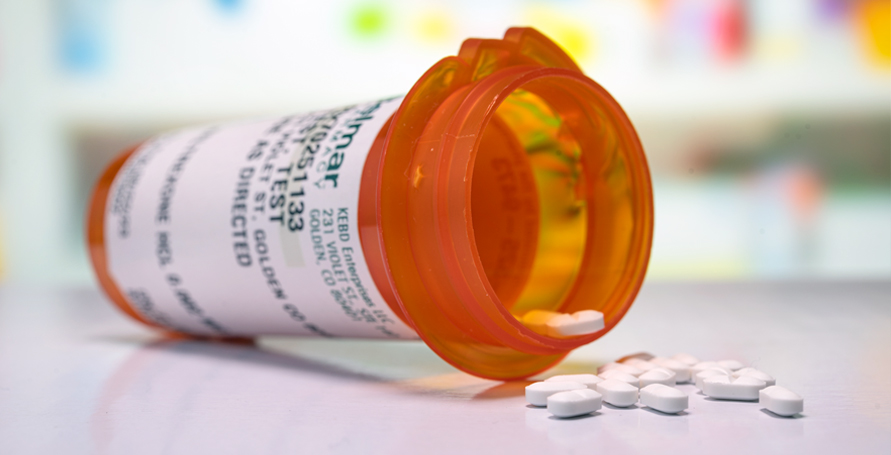
Ultra‑low dose naltrexone (ULDN) is a 1–2 microgram formulation of naltrexone which may complement pain therapy by mildly activating opioid receptors.
Common dosage forms
 Oral Tablet

Belmar Pharmacy’s patent-pending 2 microgram ultra-low dose naltrexone (ULDN) tablet is made at significantly lower doses than naltrexone (50-100 mg) and low dose naltrexone (1-5 mg). At commercially available strengths, naltrexone is a medication approved to treat addiction to opioids and alcohol. In contrast, ultra-low dose naltrexone compliments existing pain therapy, changing the way prescribers combat pain.
At ultra-low doses of 1-2 micrograms, our ULDN is third-party tested and has the potential to augment pain regimens by acting as a weak agonist at opioid receptor sites. It may help chronic pain patients require less opioid pain intervention, relieving pain symptoms at lower doses with less chance of dependence, tolerance, and possibly addiction.
Ultra-low dose naltrexone may help patients taking prescription opioid medications for chronic pain conditions. ULDN may extend opioid analgesia and reduce tolerance and dependence to prescription opioids. Reducing dependence can offer physical advantages by decreasing common opioid side effects like constipation and drowsiness. The risk of withdrawal symptoms may also be lessened with ULDN as adjunctive therapy.
Low-dose naltrexone (LDN) use is discouraged in patients taking opioid medications because it can precipitate withdrawal symptoms by antagonizing pain receptors. Unlike LDN, ultra-low dose naltrexone can demonstrate powerful positive results when taken in conjunction with opioids.
By binding but not overwhelming the opioid pain receptors, ultra-low dose naltrexone’s weak stimulating activity may help patients with chronic pain conditions optimize their current prescription pain regimen. ULDN may enable patients to receive similar pain relief at lower opiate doses, limiting the risk of addiction potential.
Ultra-low dose naltrexone can be given as an adjunctive drug for a wide range of pain conditions warranting opioid therapy, including:
ULDN may also boost patients with depleted endorphins. Increasing endorphin levels can improve energy, resilience, and sleep. The mechanistic action of ULDN is still in discovery. Additional research is underway to expand its impact.
Like LDN, ULDN is well-tolerated. Naltrexone is not a controlled substance, meaning it is not habit-forming or addictive at any strength. Prescribing providers should be aware if patients have liver or kidney disease or a bleeding disorder such as hemophilia.
ULDN is different from LDN mainly because of the dose and how it works: ULDN uses an extremely small dose of naltrexone, about 1 to 2 micrograms, that may slightly stimulate opioid receptors and support pain control. LDN uses naltrexone doses of 1 to 5 milligrams that can briefly block opioid receptors and influence immune and endorphin activity. This means ULDN may be used in conjunction with pain medications with minimal receptor blocking, whereas LDN is often used for broader immune modulating effects.

February 5, 2025
Aging is plagued by inevitability. Marked by a gradual functional decline across body systems, some think this course cannot be […]
January 12, 2023
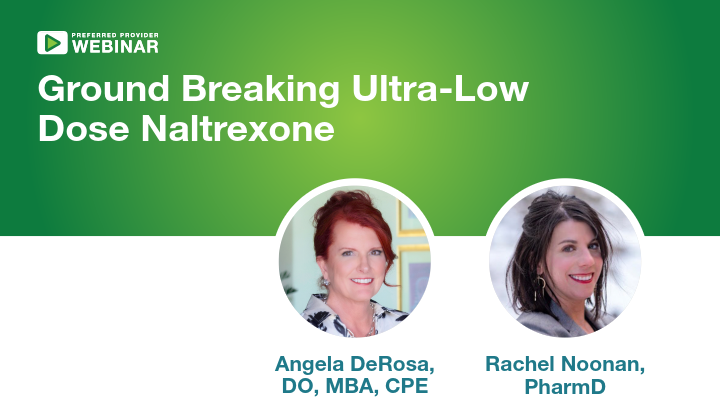
In the fall of 2022, Belmar Pharmacy announced its patent-pending, 2 microgram, ultra-low dose naltrexone (ULDN). During this informative webinar, […]
September 30, 2022
I’m no stranger to difficult conversations- it’s how relationships are made. As a pharmacist, I’ve built meaningful connections over every […]