Low Dose Naltrexone (LDN)
Low‑dose naltrexone (LDN) is a low dose of naltrexone that is thought to briefly block opioid receptors to boost natural endorphins and support immune balance.


It is estimated that 50 to 70 million Americans experience chronic sleep disorders and insomnia. These disorders are a common occurrence in women – especially those in perimenopause, menopause, and other hormone-related conditions. Chronic sleep disorders can increase the risk for life-threatening conditions, including heart disease, stroke, high blood pressure, and diabetes. Women who suffer from untreated sleep disorders and insomnia are also more prone to obesity and depression.
On a daily basis, sleep affects the ability to focus and think productively, energy levels, and emotional well-being. Sleep disorders can affect work performance, relationships, and overall satisfaction and enjoyment of life. Poor sleep can lead to emotional distress, anxiety, depression, and cognitive difficulties, and each of these issues can make sleeping soundly more difficult. During perimenopause and menopause, fluctuating hormone levels may make it even more challenging to get a good night’s sleep, especially in combination with hormone-related hot flashes and night sweats.
Belmar Pharmacy offers different types of therapy for sleeping disorders, including personalized bioidentical hormone replacement therapy (BHRT), low dose naltrexone (LDN), and melatonin.

Low‑dose naltrexone (LDN) is a low dose of naltrexone that is thought to briefly block opioid receptors to boost natural endorphins and support immune balance.
Sermorelin acetate is a growth hormone–releasing hormone that may stimulate the pituitary gland to naturally boost human growth hormone levels as they decline with age.
Belmar Pharmacy offers bioidentical micronized progesterone compounds. This hormone is crucial during the reproductive years and can benefit perimenopausal and postmenopausal women particularly in areas of endometrial protection, sleep, and mood.
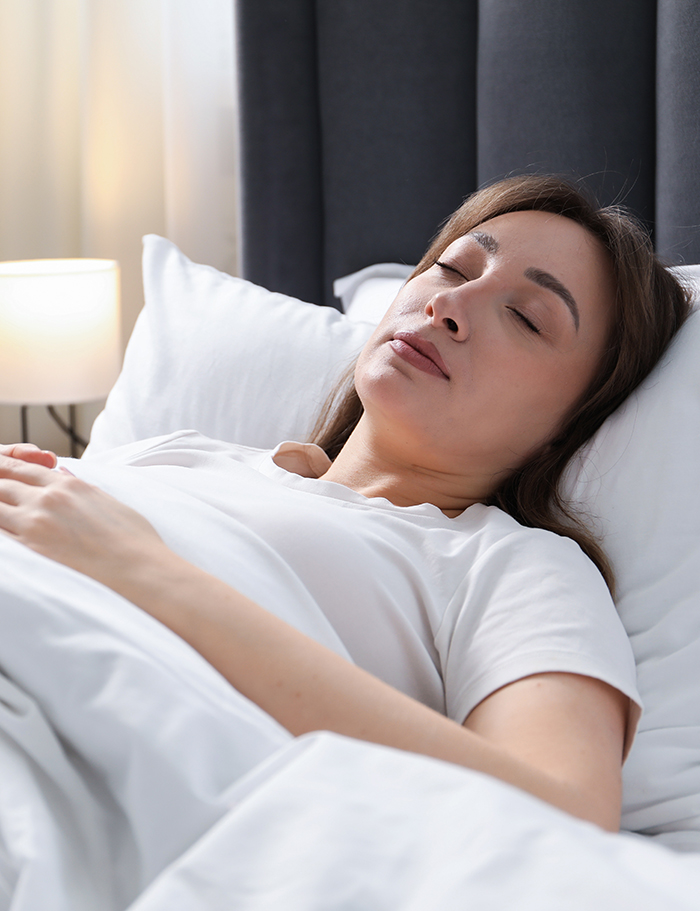
The cause of insomnia and sleep disorders can be very complex. There is a relationship between hormone levels and sleep quality, so as women age and hormones decline, it’s often challenging to get a good night’s sleep. Additionally, stress, anxiety, daily concerns over money or relationships, and sleep environment may all contribute to ongoing sleep disorders.
Women most commonly experience sleep disorders of insomnia, obstructive sleep apnea (OSA), and restless leg syndrome. Insomnia (the inability to fall asleep at night, stay asleep, or wake up too early) affects women almost twice as much as it affects men, and during menopause, up to 70 percent of women experience insomnia.
Obstructive sleep apnea is the result of the throat muscles relaxing too much during sleep so the individual stops breathing many times a night. OSA often leads to chronic fatigue during the day and trouble focusing, morning headaches, increased irritability, and even depression.
Restless leg syndrome is also twice as common in women than it is in men. During hormonal changes in perimenopause and menopause, women may experience this sleep disorder in which they have uncomfortable sensations in their legs at night, and the urge to move the legs to alleviate the sensations.
Because the underlying causes are complex, to address insomnia symptoms, it may involve a physical exam along with discussion of health history and sleep habits. A journal or diary of sleep patterns can help shed light on symptoms of insomnia. Sleep studies — where brain waves, breathing, heart rate, and body movements are monitored during sleep — are often instrumental in diagnosing sleep disorders such as sleep apnea and restless leg syndrome.
To treat sleep disorders, addressing underlying medical conditions, hormone imbalances, or stress levels may help bring relief. Belmar Pharmacy offers hormone therapies to address underlying causes of insomnia and sleep disorders for women during perimenopause and menopause. Many women with sleep disorders find that once their hormones are brought back to optimal levels, their symptoms of brain fog, hot flashes, anxiety, and even joint pain, help them function better during the day and get better sleep at night.
Progesterone is often a part of women’s bioidentical hormone replacement therapy (BHRT) that may aid sleep disorders. Oral progesterone typically has a calming effect for perimenopausal and menopausal women, so when taken at night, it may help make it easier to fall asleep and stay asleep.
One of the most common sleep disorders for millions of American adults is insomnia – the inability to easily fall asleep at night, or to be able to stay asleep. Insomnia affects more women than men and can be short-lived (lasting a few nights or weeks due to stress or a major life event) or long-term (chronic insomnia). For women, insomnia often occurs during the hormonal changes that come with perimenopause and menopause in the 40s and 50s, but may begin as early as the late 30s.
Symptoms of insomnia include trouble falling asleep at night, waking up too early, waking up multiple times a night, and feeling tired during the day. Fatigue, low energy, and anxiety may also be symptoms of chronic insomnia.
Hormone replacement therapy may help improve sleep disorders and insomnia in perimenopausal and menopausal women by stabilizing fluctuating hormones. Replenishing naturally declining hormones, a symptom of the natural transition from childbearing years into menopause, can help reduce night sweats, balance mood, and reduce joint pain so women are able to fall asleep easier and stay asleep at night. Many women find that replacing declining estrogen and progesterone so they’re back in balance is a crucial part of regulating their sleep-wake cycles and promoting nighttime relaxation.
Melatonin, produced naturally in the body, helps promote a quiet, calm state at night that helps with sleep. As the brain releases melatonin, levels should rise a couple hours before bedtime so the body can begin to relax and prepare for sleep. However, women suffering from sleep disorders and insomnia may be melatonin deficient. Taking small doses of melatonin may help reduce the time it takes to fall asleep and help promote a deeper sleep with fewer instances of waking in the middle of the night.